
A Year in the Vines
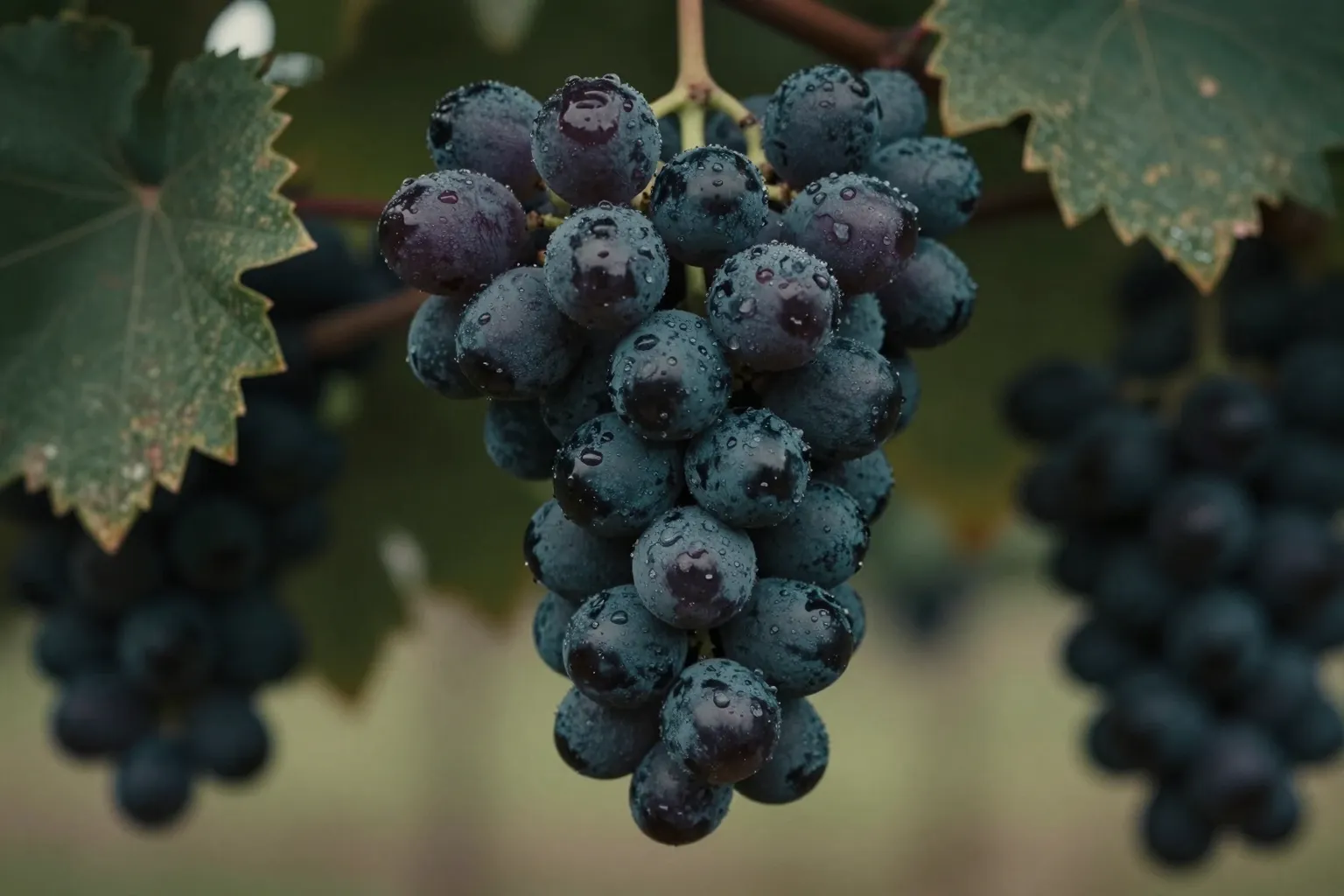
The Malwa heartland sits south of the Sutlej, in the land of five rivers. It is here that the house's first fruit is grown, on soil the region has farmed since the earliest civilisations of the Indus, Ravi, Beas and Sutlej. This is not old wine country. It is old farming country asked to do something new.
A season worked by hand
Through the season the work is by hand. Every vine is tended by hand, from pruning to picking. Weeds are managed mechanically, through mulching and companion planting, and fertility is built with compost, green manure and cover crops rather than bought in a bag. The house calls this a strict low-intervention standard, and it shapes every choice in the vineyard before a grape is ever pressed.
From vine to cellar
Harvest is the point the field hands the fruit to the cellar. The grapes are picked by hand at peak ripeness, then sorted by hand again before they travel anywhere near a tank. What arrives at the cellar door is what the vine gave, not what a machine sorted for speed.
In the cellar the brief is restraint. The house works with winemakers from France, Italy and Portugal, and their instruction is simple: let the soil speak. Handling is gentle, intervention is kept to a minimum, and nothing synthetic is added in pursuit of structure, freshness and length, worked in the classical style rather than a shortcut to it.
The first collection
The first collection, Malwa, is three wines: a red built for the table, structured and patient; a white lifted by minerality and bright acidity; a rosé the house calls a wine of intent rather than afterthought. None carry a published price. They are offered by allocation, to those who have joined the list, contacted privately and in the order they joined.
The Malwa collection opens in February 2027. Majha and Doaba are the chapters the house says will follow it, region by region. For now the work is what it has always been through this season: hands in the soil, hands on the fruit, and a cellar built to stay out of the way of both.